

How NEMT Reduces Stress for Family Caregivers
Family caregivers serve as a vital pillar in the modern healthcare system, frequently balancing complex medication schedules, demanding personal responsibilities, and routine medical visits. Navigating travel arrangements for dependent loved ones often introduces immense physical, emotional, and financial strain to a caregiver's daily routine. Accessing reliable medical transportation provides a practical, sustainable solution that mitigates these everyday stressors, allowing caregivers to manage schedules efficiently while maintaining exceptionally high standards of care for their family members.
Understanding Family Caregiver Demands
Caregivers frequently undertake complex operational responsibilities daily, ranging from direct personal care and meal preparation to managing multi-provider healthcare schedules and medication regimens. The physical exertion required to assist individuals with mobility impairments into standard consumer vehicles, combined with the administrative burdens of navigating insurance networks, often leads to severe physical fatigue. Over time, prolonged exposure to high-pressure care environments without adequate relief impacts personal health, making severe emotional burnout a prevalent issue among unpaid family support networks.
Environmental and logistical triggers significantly compound caregiver stress levels during routine travel. Unexpected traffic delays, difficult parking situations at massive medical centers, and strict appointment windows create intense anxiety for caregivers who are responsible for fragile passengers. Establishing robust support mechanisms, including professional assistance and specialized transit services, helps distribute this heavy operational load effectively. Addressing travel barriers directly allows caregivers to preserve their energy for vital personal care, relationship building, and emotional support roles.
Furthermore, the long-term impact of chronic caregiving stress often manifests in physical ailments, such as elevated stress hormone levels, sleep disruptions, and cardiovascular strain. When family members must constantly sacrifice their own well-being to transport loved ones to frequent therapy or clinical sessions, the sustainability of the entire care arrangement is threatened. Integrating community support systems and specialized mobility assistance early in the caregiving journey establishes a foundational buffer against these detrimental physiological effects.
Examining Non-Emergency Medical Transportation Basics
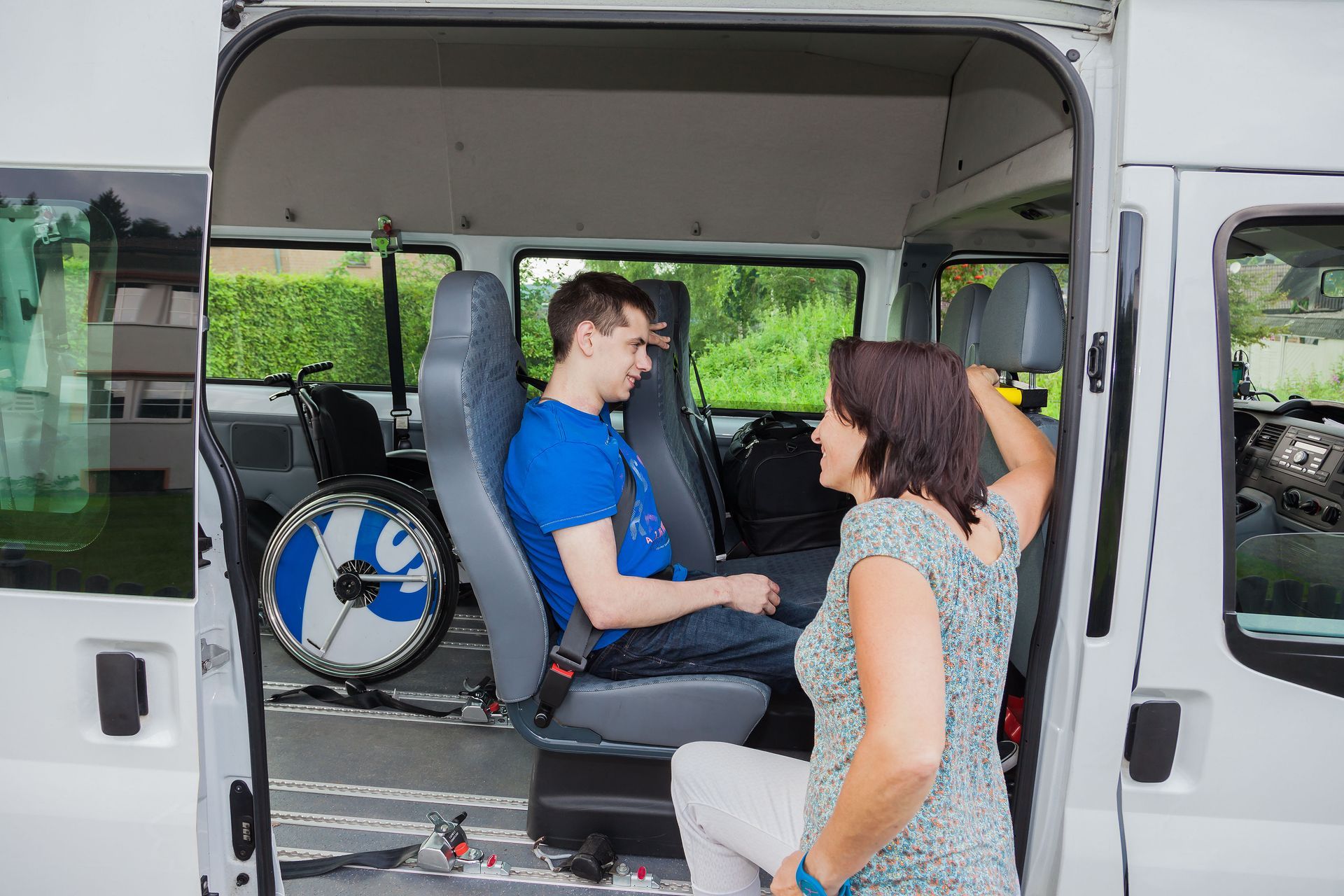
Non-Emergency Medical Transportation (NEMT) supplies specialized, pre-arranged travel solutions for individuals who require specialized assistance to reach clinical appointments safely and punctually. These services accommodate individuals who lack reliable private transportation, lack local mass transit access, or require specialized features such as wheelchair ramps, hydraulic lifts, stretcher compatibility, and trained door-to-door escort assistance. The global NEMT market is projected to witness significant growth and is estimated to reach $15.58 billion by 2028, according to TraumaSoft.
Unlike rapid-response emergency medical services designed for acute, life-threatening health crises, non-emergency medical transportation operates on a scheduled basis to facilitate ongoing preventive, diagnostic, and therapeutic clinical care. Coverage options frequently exist within state Medicaid programs, specialized managed care plans, and selected private health insurance policies, granting qualifying individuals dependable access to routine medical visits. Utilizing these specialized services dramatically reduces missed clinical appointments, supporting overall health maintenance without adding logistical strain to family units.
By filling a critical infrastructural gap in healthcare access, NEMT ensures that vulnerable populations, including seniors, individuals with disabilities, and rural residents, can maintain consistency in their care plans. Dedicated vehicles are maintained under strict safety protocols, and drivers receive rigorous training in defensive driving, CPR, and passenger assistance techniques. This specialized infrastructure guarantees that every transit experience prioritizes patient safety, comfort, and clinical compliance throughout the journey.
Evaluating Caregiver Support Advantages
Integrating professional transit services into routine care plans directly alleviates complex transportation challenges that complicate daily schedules. Caregivers no longer need to repeatedly alter their professional work hours, arrange costly private transit, or perform strenuous physical transfers into standard sedans just to ensure attendance at crucial clinical appointments. Removing these physical and logistical obstacles facilitates consistent healthcare access, particularly for individuals who reside in underserved geographic areas with limited transit choices.
In addition to physical relief, professional transit assistance offers predictable timing and exceptional scheduling flexibility. Pre-booked pickups establish a structured daily routine, giving family caregivers clear, reliable timeframes to manage employment commitments, attend to personal errands, or obtain much-needed rest. Beyond simple scheduling ease, utilizing insurance-covered medical transportation options delivers meaningful financial relief by eliminating significant out-of-pocket gas, parking, and maintenance expenses, while simultaneously reducing potential income loss from missed work hours.
The time reclaimed through professional transportation services allows caregivers to achieve a healthier balance between their caregiving duties and personal lives. Instead of spending hours driving through heavy traffic and navigating complex parking garages, caregivers can focus on coordinating overarching health strategies, managing household logistics, or simply enjoying quality downtime. This structural efficiency ensures that caregiving remains a manageable, long-term commitment rather than an overwhelming personal sacrifice.
Relieving Travel-Related Psychological Stress
Outsourcing travel logistics to dependable medical transportation providers significantly reduces the persistent, travel-related anxiety experienced by family members. Knowing that trained, professional drivers handle physical transfers, route navigation, traffic bottlenecks, and drop-off timing builds deep trust in the overall care schedule. This operational reliability restores a profound sense of control for caregivers, allowing them to focus entirely on emotional encouragement and companionship rather than transit logistics.
Consistently relieving these transit burdens plays a direct, measurable role in mitigating long-term caregiver burnout and compassion fatigue. The hours freed up by utilizing external medical transportation can be dedicated to personal wellness, health maintenance, leisure activities, or restful downtime, all of which are essential for maintaining psychological resilience. Simultaneously, professional transit offers care recipients a meaningful degree of physical autonomy, fostering personal dignity as they travel independently to their medical appointments.
Additionally, reducing travel-related friction creates a more positive, calm environment for both the patient and the caregiver. Unplanned travel delays or difficult mobility transfers often trigger frustration and anxiety for patients, which in turn increases emotional distress for the caregiver. By entrusting these delicate journeys to experienced transit professionals, families minimize potential interpersonal friction and maintain a peaceful atmosphere centered on healing, mutual support, and general well-being.
Accessing Dependable Transportation Solutions
Initiating transportation services involves verifying specific insurance benefits, consulting healthcare case managers, and identifying qualified local providers capable of meeting exact mobility and scheduling needs. Caregivers should take time to confirm policy guidelines, required pre-authorization paperwork, and booking timelines early in order to guarantee completely uninterrupted service delivery. Establishing proactive, transparent communication regarding dynamic medical requirements ensures seamless coordination between family members, clinical teams, and transit operators.
Modern advancements in non-emergency medical transportation focus on expanding service coverage, implementing dynamic digital scheduling platforms, and fostering seamless integration within standard patient care plans. Modern real-time tracking software and automated notifications continue to optimize communication, preventing miscommunications, long wait times, and unexpected schedule delays. Increasing public awareness regarding these essential mobility resources ensures that more families can effectively leverage professional medical transportation to support overall household stability.
Ultimately, incorporating professional transit into long-term healthcare planning empowers families to navigate complex medical conditions with confidence. As healthcare delivery models continue to place greater emphasis on outpatient care and home-based recovery, reliable transportation will remain an essential component of equitable health access. Establishing a relationship with a dependable service provider ensures that continuous clinical care remains achievable, safe, and stress-free for everyone involved.
Utilizing dedicated medical transportation transforms the caregiving journey by eliminating heavy travel logistics, enhancing access to essential healthcare appointments, and protecting long-term caregiver well-being and personal peace of mind. For more information about the services that we offer, reach out to our incredible team at TLC Non-Emergency Medical Transportation today!



Share On: