

Overcoming Transportation Barriers to Healthcare With Medical Transportation
Transportation barriers significantly affect the ability of individuals to access essential healthcare services across the nation. These obstacles range from a lack of reliable transit options and long distances to healthcare facilities to inadequate public and private vehicle availability. Without dependable ways to travel, individuals face severe difficulties in attending regular checkups, managing chronic illnesses, or receiving specialized care. Addressing these widespread issues requires concerted efforts from both public and private sectors to provide reliable options for all patients needing care, regardless of their location or socioeconomic status.
Medical transportation serves as a crucial solution to this pressing issue, providing a vital lifeline for patients to attend their appointments. By thoroughly examining the scope of transit challenges and understanding the value of these rides, society can address these hurdles and improve healthcare access. Dedicated transit efforts should prioritize patient well-being, consistent access, and long-term sustainability within the health ecosystem.
Recognizing Transportation Barriers
Globally, transit obstacles present a massive challenge for healthcare accessibility, particularly for low-income individuals, the elderly, and isolated rural populations. In urban centers, heavy traffic congestion and limited parking deter patients from seeking care, while isolated residents face vast distances to reach primary clinics. Financial constraints and physical disabilities restrict mobility, highlighting the urgent need for inclusive solutions. According to TraumaSoft, 6 million Americans are forced to postpone or skip their non-emergency medical visits each year because they lack reliable travel options, a problem that often exacerbates their medical conditions and inflicts heavy financial burdens on the broader healthcare network.
The consequences of these widespread access deficits are severe, often leading to preventable hospitalizations and a heavier burden on emergency rooms. Various remedies exist to tackle these barriers, though they frequently possess limitations that hinder effectiveness. Public transit systems offer cost-effective travel routes but consistently fail to accommodate those needing specialized medical transportation assistance. Some health organizations partner with ride-sharing companies to offer targeted services, yet these corporate initiatives rarely reach every patient in need. Addressing these operational constraints remains vital for developing comprehensive care models that ensure equitable access.
Supplying Crucial Transit Services
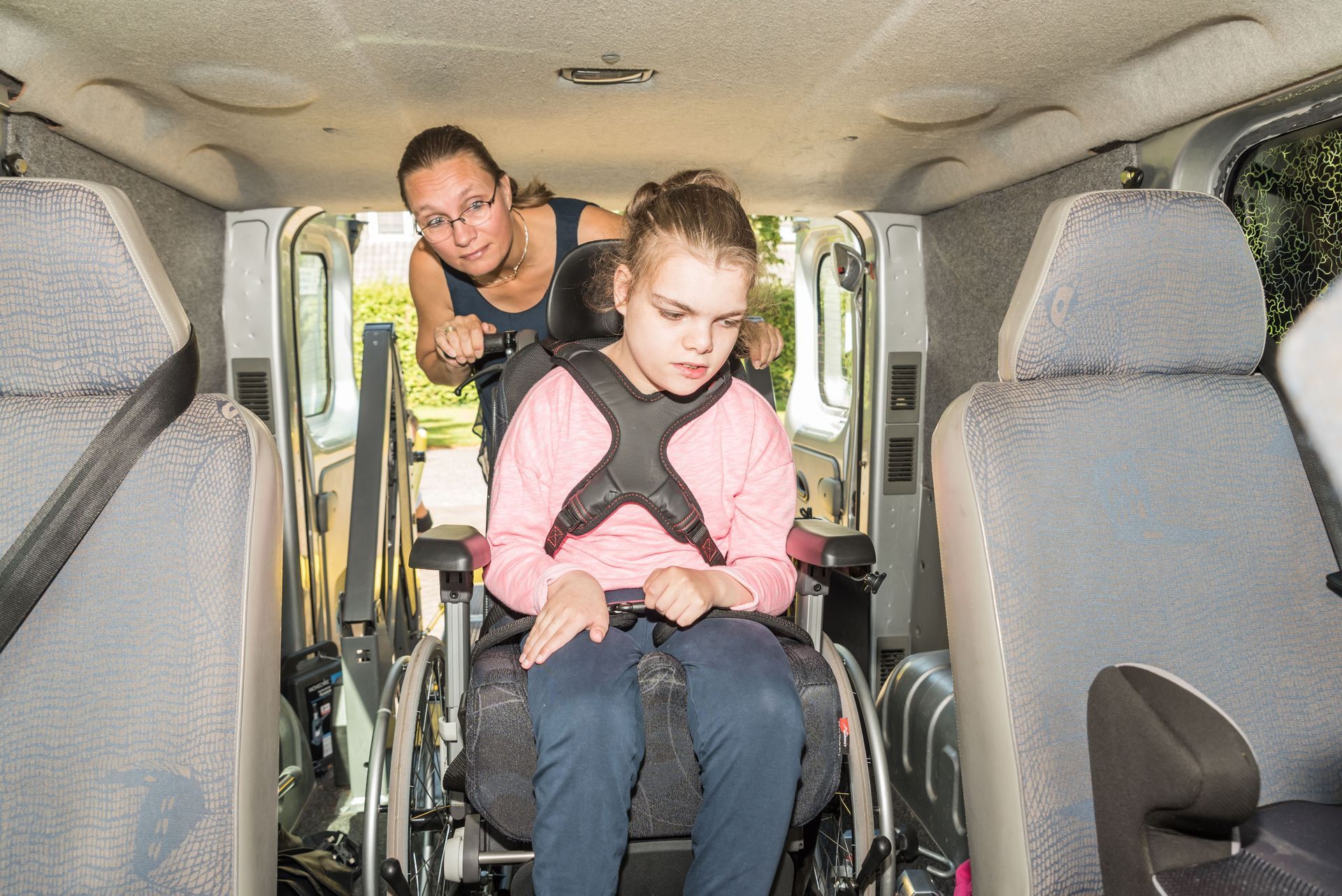
Providing dependable rides enables patients to access essential facilities when personal or public options fall short. These critical services range from routine checkup transit to urgent care for immediate health crises. Specialized vehicle options cater directly to unique physical needs, such as wheelchair-accessible vans or vehicles equipped with medical monitoring equipment. By ensuring patients arrive safely and on time, dedicated medical transportation prevents the deterioration of chronic conditions. Bridging the physical gap between patients and providers offers incredible benefits, lowering overall care costs while enhancing vulnerable groups' quality of life.
Successful pilot programs deployed across various regions demonstrate the profound impact of these logistical services. Partnerships between city governments and private transit firms have reduced appointment no-shows, proving that strategic collaboration yields positive public outcomes. Providers operating within this sector face several operational and financial challenges. Funding limitations and reimbursement uncertainties can hinder program scalability, while logistical complexities require sophisticated route planning. Overcoming these administrative hurdles demands strategic foresight, collaborative partnerships, and a firm commitment to continuous improvement in patient logistics.
Integrating Technological Innovations
Rapid technological advancements enhance the efficiency, safety, and reach of modern healthcare logistics. Telehealth platforms and digital health applications provide remote care options, reducing the necessity for physical travel to clinics for minor consultations. When physical visits remain unavoidable, GPS and route optimization technologies ensure transport vehicles arrive promptly. Advanced navigation algorithms utilize real-time traffic data to minimize travel times, allowing dispatchers to coordinate multiple pickups seamlessly. Integrating these digital tools makes non-emergency medical transportation more reliable, responsive to patient needs, and easier for caregivers to schedule efficiently.
Linking transit platforms directly with electronic health information systems is essential for coordinated patient care. This digital connectivity allows clinic staff to schedule appointments and corresponding rides simultaneously, ensuring vulnerable individuals face no scheduling delays. The rise of on-demand ride-sharing applications has revolutionized travel flexibility, offering cost-effective travel solutions without the need for prior scheduling. Upcoming industry breakthroughs, such as autonomous vehicles and artificial intelligence, promise to increase equitable accessibility, reduce operational overhead costs, and elevate patient communication to new operational heights.
Navigating Policy and Funding
Reliable government backing is critical to sustaining comprehensive medical transportation networks across the country. Federal and state legislative programs supply the vital financial foundation required for essential non-emergency transit initiatives to survive. Policymakers must allocate sufficient resources and draft progressive regulations that standardize these crucial community services. Simultaneously, health insurance coverage dictates the true accessibility and affordability of these specialized rides. Ensuring that public and private insurance plans offer robust transit benefits remains vital to minimizing systemic health disparities and supporting comprehensive patient mobility across all demographic lines.
Shifting regulatory environments create significant administrative hurdles to implementing and expanding patient transit programs. Fleet operators must navigate complex compliance standards regarding patient privacy, vehicle safety protocols, and insurance mandates. Establishing streamlined regulatory frameworks helps alleviate these administrative burdens. Non-profit organizations often step in to fill systemic gaps by providing affordable ride options for underserved demographic groups. Sustained advocacy efforts remain imperative for driving widespread systemic change. By drawing political attention to the impact of mobility on overall health, stakeholders can push for more effective, sustained legislative solutions.
Building Community Partnerships
Local neighborhood initiatives intelligently leverage grassroots resources to formulate practical answers to severe mobility deficits. Community-based organizational efforts, including volunteer carpools, deliver critical daily support for residents lacking private vehicles. Strategic financial alliances with local businesses provide an operational boost to these neighborhood programs. Regional corporations can lend logistical expertise, supply commercial fleet resources, or offer direct financial grants to sustain local transit networks. Engaging the corporate sector in these localized medical transportation solutions creates mutual benefits that support public health while fulfilling essential community responsibility objectives.
Dedicated volunteer driver networks consistently form the reliable backbone of many successful grassroots transit strategies. Passionate individuals regularly donate their time and vehicles to ensure vulnerable neighbors safely reach their routine checkups, strengthening social cohesion within local neighborhoods. To maintain high program effectiveness, these local organizations rely on continuous community feedback. Conducting local surveys provides insights into the daily struggles patients face. Overcoming localized administrative hurdles involves exploring innovative municipal grant mechanisms and forging cross-sector alliances. Adapting local frameworks based on direct patient input enhances the long-term resilience of these mobility solutions.
Overcoming transit barriers remains crucial for ensuring equitable access to essential medical services and improving health outcomes across diverse populations. Effective mobility programs play a vital role in bridging these physical gaps, supported by modern technological advancements, innovative policy frameworks, and community-focused strategies. Ensuring sustainable public funding, comprehensive private insurance coverage, and strong stakeholder collaboration strengthens the overall effectiveness of these transit systems. Moving forward, a data-driven, fully inclusive approach is vital for successfully mitigating logistical challenges within the healthcare sector.
Bridging the distance between a patient's home and their doctor's office requires an ongoing commitment from policymakers, healthcare providers, and the community at large. As medical transportation continues to refine these essential logistics, we must prioritize dignity, safety, and reliability in every single trip. If you or a loved one needs reliable, compassionate assistance reaching your next important appointment without any added stress, we invite you to book your next safe and comfortable ride with us at TLC Non-Emergency Medical Transportation.


Share On: