

10 Ways a Medical Transportation Service Helps Reduce Missed Appointments
Missing critical healthcare appointments can cause patient health to deteriorate rapidly while placing a massive financial burden on our broader medical infrastructure. For individuals dealing with mobility limitations, cognitive impairments, or a complete lack of private vehicle access, navigating the journey to a specialist's office presents a monumental challenge. When vulnerable citizens cannot secure reliable rides, they frequently delay necessary checkups until their underlying symptoms escalate into severe medical emergencies. Fortunately, specialized logistics networks are stepping in to bridge this dangerous structural gap, ensuring that no patient is left stranded at home. Utilizing an experienced medical transportation service transforms vulnerable transit into a highly predictable, safe, and stress-free journey.
1. Overcoming Mobility Barriers and Physical Challenges
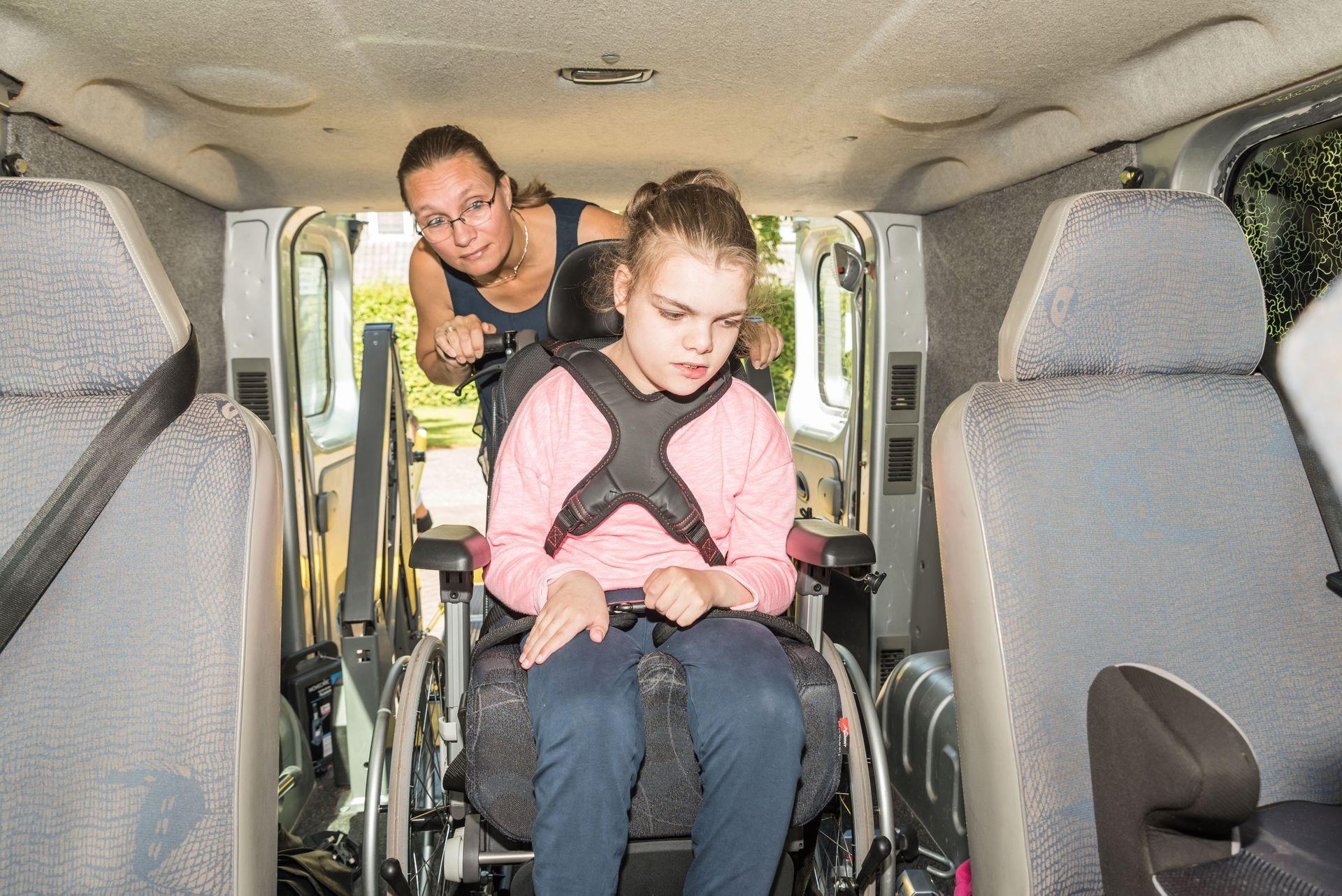
Navigating traditional public transit vehicles while confined to a heavy motorized wheelchair or relying on a walker can be an incredibly daunting, logistically impossible task. Standard ridesharing applications utilize compact personal sedans that lack the specialized hydraulic lifts and secure tie-down anchor points necessary to transport disabled individuals safely. Specialized transport fleets solve this structural issue entirely by deploying custom-engineered vans operated by highly trained, compassionate professionals who assist patients from their beds directly into the clinic. Engaging a professional medical transportation service ensures that physical disabilities never prevent a patient from accessing life-saving healthcare appointments or receiving regular clinical treatments.
2. Supporting Patients Managing Chronic Disease Care Schedules
Attending a continuous, non-negotiable sequence of clinical treatments is absolutely mandatory for individuals fighting long-term physical illnesses and complex metabolic disorders. For these highly vulnerable populations, missing a single therapy appointment can trigger immediate physical relapse, leading to costly emergency room admissions. According to EliteMed Financials, 129 million Americans live with at least one chronic disease. Managing this staggering public health challenge requires a completely dependable logistical solution that operates with absolute precision day after day. Booking a dedicated medical transportation service allows individuals to maintain complete compliance with their intensive therapy regimens, stabilizing their long-term health outcomes.
3. Combating Geographic Isolation and Rural Transit Deficits
Living far from major metropolitan hospital centers places rural residents at a severe disadvantage in managing specialized healthcare needs. Public bus routes rarely extend into remote agricultural communities, forcing isolated patients to travel miles to reach a basic transit stop. This geographic divide can lead patients to completely abandon their preventative care schedules out of pure logistical frustration and exhaustion. A regional medical transportation service effectively eliminates these vast distances by offering direct, door-to-door transit options across multiple county lines. This extended reach ensures that rural populations enjoy equal access to elite urban specialists without enduring extreme transit friction.
4. Minimizing Driver Anxiety and Emotional Stress Factors
Conquering dense city traffic, hunting for expensive hospital parking spaces, and navigating labyrinthine medical complexes can induce severe anxiety in elderly or frail individuals. When patients feel completely overwhelmed by the chaotic reality of driving themselves to a major medical hub, they often choose to cancel their appointments altogether to avoid the mental strain. Professional drivers alleviate this psychological burden completely by handling every single detail of the journey, from door-to-door escorting to choosing the most efficient routes. Relying on an elite medical transportation service allows patients to travel in complete comfort, arriving at their doctor's office relaxed and fully prepared to discuss their health.
5. Ensuring Punctual Arrivals and Strict Schedule Adherence
Failing to arrive on time for a tightly scheduled specialist appointment frequently results in immediate appointment cancellations and frustrating administrative late fees. Traditional taxis and standard public transit buses operate on highly volatile timelines, making them completely unsuitable for time-sensitive clinical visits like chemotherapy or dialysis. Specialized transport dispatchers utilize advanced, real-time traffic monitoring software and specialized routing algorithms to guarantee that vehicles arrive early for every pickup. Relying on a punctual medical transportation service allows patients to bypass chaotic scheduling delays, ensuring they walk into their clinical consultations exactly when their physician is ready to receive them.
6. Alleviating the Burden on Family Caregivers
Forcing adult children and working relatives to constantly call out of work to drive an aging family member to routine physical therapy sessions strains domestic relationships and compromises professional stability. Family caregivers frequently exhaust their personal vacation days and suffer immense emotional burnout while trying to balance their private lives with intensive eldercare logistics. Outsourcing these recurring transportation duties to a reputable provider restores balance to the household, giving working relatives immense peace of mind. Using a certified medical transportation service ensures that your loved one is escorted by trained medical professionals, allowing you to remain focused on your career.
7. Securing Safe Travel After Intrusive Diagnostic Procedures
Undergoing essential medical procedures that require deep sedation, like colonoscopies, cataract surgeries, or extensive oral operations, leaves patients temporarily impaired and legally unable to operate a motor vehicle. Standard commercial transport companies often refuse to take responsibility for recovering post-surgical patients who require physical assistance or continuous observation during transit. Specialized non-emergency transport vehicles are fully equipped to handle post-operative individuals, ensuring they are monitored closely throughout the journey home. Booking a medical transport service fulfills mandatory hospital discharge protocols, ensuring patients return to their private residences safely without placing any uncompensated liability on the surgical facility.
8. Reducing Clinic No-Show Rates and Operational Losses
Sustaining a high frequency of missed appointments disrupts daily clinical workflows, leaving expensive medical machinery idle and wasting precious physician billable hours. When a patient fails to show up, it prevents another individual on the waiting list from receiving timely care, actively worsening regional healthcare backlogs. Progressive medical practices are increasingly partnering directly with specialized transit agencies to coordinate rides for their most vulnerable, frequently absent patients. Integrating a medical transport service into the broader patient care plan stabilizes the facility's daily operational efficiency while maximizing the total volume of clinical care delivered to the community.
9. Navigating Hazardous Winter Weather Conditions Safely
Braving icy roadways, blinding snowstorms, and torrential downpours presents a severe physical hazard to elderly drivers who possess slowed reflexes or compromised vision. During inclement weather cycles, no-show rates skyrocket as patients understandably prioritize immediate roadway safety over routine, non-emergency checkups. Specialized transit fleets are meticulously prepared for severe environmental challenges, utilizing all-wheel-drive vehicles equipped with advanced safety features and winterized gear. Committing the journey to an experienced medical transport service allows patients to safely navigate dangerous winter elements, ensuring that vital health maintenance continues uninterrupted regardless of external weather conditions.
10. Eliminating Financial Friction With Insurance-Covered Rides
Worrying about the high cost of fuel, city parking fees, and traditional taxi fares can force low-income seniors to choose between buying groceries and traveling to their doctor's office. Fortunately, many modern Medicaid plans, managed care organizations, and local non-profit grants offer complete coverage for non-emergency medical transit services. This financial integration removes the immediate burden of out-of-pocket travel costs, ensuring that economic hardship never becomes a barrier to receiving high-quality medical care. Collaborating with an approved medical transport service allows eligible individuals to utilize these valuable insurance benefits, unlocking a completely free pathway to consistent oral and physical healthcare.
Optimizing patient access to professional clinical settings through dedicated, non-emergency transit stands as a fundamental pillar of modern community health management. From breaking down heavy physical mobility barriers for wheelchair-bound individuals to shielding vulnerable chronic disease patients from devastating health relapses, the practical advantages of specialized transit are entirely undeniable. By eliminating the extreme stress of navigating urban traffic, ensuring absolute punctuality, and lifting the heavy coordination burden off family caregivers, you successfully elevate the standard of patient care. Investing in a premier medical transport service ensures that every patient arrives safely, comfortably, and precisely when their physician is ready. Are you seeking a dependable medical transportation service in Northern and Central California? Look no further than the professionals at TLC Non-Emergency Medical Transportation! Call today to request transportation.


Share On: