

Safety Protocols Medical Transportation Providers Follow Every Day
The importance of safety protocols in medical transportation cannot be overstated. These protocols serve as foundational pillars in ensuring that the intricate, fast-paced, and highly sensitive operation of transporting patients is carried out safely and efficiently. Local medical transportation services are a critical component of the healthcare system, bridging the gap between patient needs and medical services. The implementation and adherence to safety measures are not just procedural but essential to safeguarding the lives of patients and the professionals who serve them.
Training and Certification Requirements
Training and certification are the cornerstones of safety in medical transportation. Standard training programs ensure that all personnel involved have a baseline understanding of their roles and the critical nature of their tasks. Such programs often include modules on patient care, vehicle operation, first aid, and emergency response. Ongoing education and evaluation are crucial to addressing evolving challenges and integrating new methodologies that enhance safety and service delivery. Furthermore, continuous training helps in maintaining high operational standards and prepares personnel for the dynamic nature of medical transportation services.
Specialty certifications address the need for specialized care and transport of patients with unique medical conditions. Many patients require personalized care, necessitating additional knowledge and skills, such as handling medical equipment or understanding the specific health issues of the patients they transport. CPR and First Aid certification is mandatory for all medical transportation personnel, equipping them to provide vital care during transit. Defensive driving courses are also required to ensure that drivers can handle various road conditions while minimizing risks. Tailored certifications for handling specific patient needs further enhance the safety protocols that medical transport providers follow daily.
Driver’s licenses and defensive driving are basic yet vital components of transport safety. Safe driving not only protects the patient but also ensures that caregivers and the public remain secure. The rigorous training regimen ensures that drivers can anticipate and react to road hazards efficiently, maintaining high levels of vigilance while transporting patients. This comprehensive training model reflects the industry's commitment to safety and significantly reduces the risk of accidents and mishaps. Ultimately, a well-trained and certified workforce is pivotal in delivering safe and efficient medical transportation services.
Vehicle Maintenance and Inspection
Regular vehicle maintenance is an essential safety protocol practiced by medical transportation providers. Each vehicle must adhere to a stringent maintenance schedule that addresses mechanical, electrical, and operational elements. These maintenance schedules are designed based on vehicle use, environmental conditions, and manufacturer recommendations, ensuring optimal performance. Additionally, pre-trip inspections are mandatory to identify any immediate issues that could compromise safety. This proactive approach helps in preventing failures that could disrupt service delivery or endanger patients.
Pre-trip inspection routines are standardized practices that involve checking essential components such as brakes, lights, and tires. Emergency equipment checks are conducted to verify the functionality of medical and communication tools, ensuring that they are in working order in case of emergencies. Fluid levels and tire pressure checks are also carried out to prevent breakdowns that could jeopardize patient safety and affect timely service delivery. Comprehensive documentation and record-keeping practices facilitate better planning and accountability, supporting operational efficiency. They also provide valuable insights for periodic assessments that further strengthen safety measures.
Documentation practices play a significant role in ensuring that maintenance and inspections are conducted adequately. Detailed records serve as evidence of compliance with safety protocols and facilitate easier scheduling of future maintenance tasks. Record-keeping systems allow management to track vehicle performance and identify recurring issues that need addressing. Such detailed documentation aids in constructing a comprehensive safety strategy that evolves in response to changing needs. Through these consistent practices, medical transportation providers ensure they are operating at the highest possible safety standards, thereby safeguarding all stakeholders involved.
Patient Safety Protocols
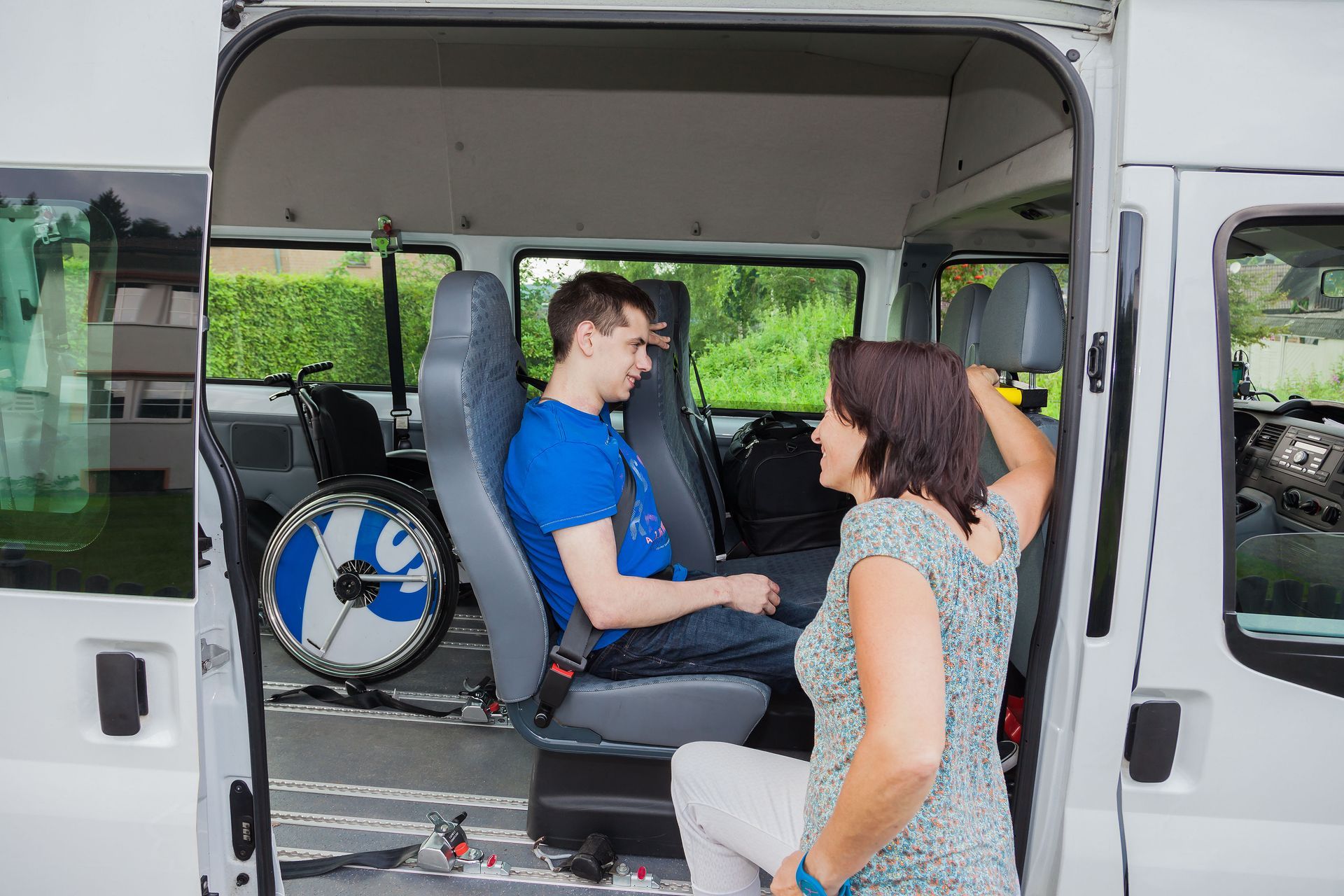
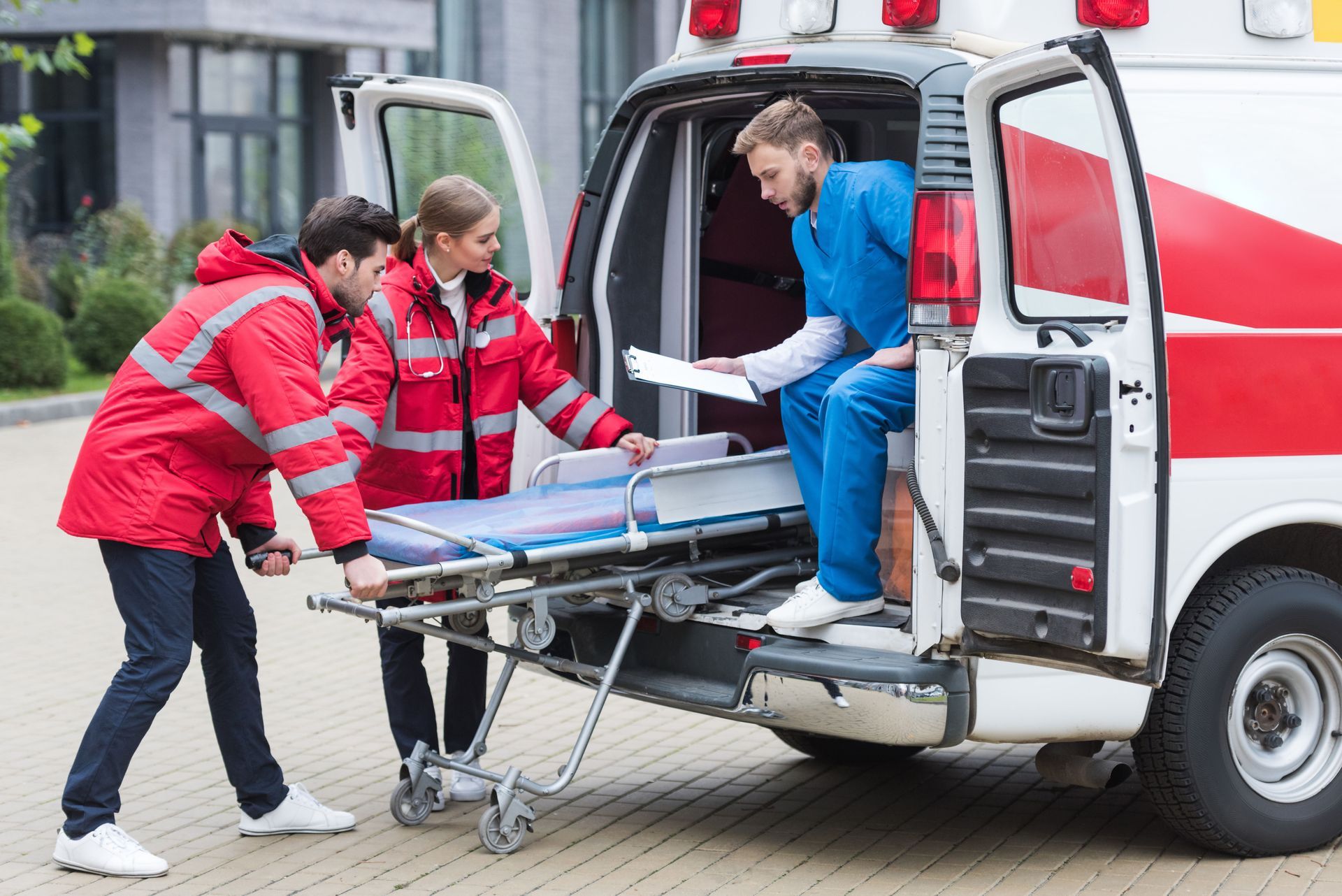
The protocols for patient safety are meticulously crafted to ensure that the highest care standards are maintained at every transportation phase. Safe transfer techniques are fundamental, requiring personnel to be adept in utilizing equipment designed to safeguard patients during loading and unloading processes. Proper training in transfer techniques minimizes the risk of injuries and contributes to a seamless care continuum. Pit crew strategies involve the coordination of team efforts to efficiently manage the rapid yet careful handling of patients and equipment. These collaborative strategies instill a culture of teamwork where each member understands their role in the broader safety framework.
Infection control measures are prioritized according to the specific risks presented by the nature of medical transportation. Providers implement rigorous sanitation protocols, ensuring that vehicles and equipment are regularly disinfected to protect patients and staff from infections. Health crises, such as the COVID-19 pandemic, have further highlighted the necessity of implementing and adhering to strict infection prevention measures. Customizing safety protocols based on the individual needs of patients is also an ongoing commitment. Providers assess each patient’s requirements to tailor safety measures adequately, ensuring their specific medical and physical needs are met during transport.
Communication Systems and Protocols
Effective communication systems are a pillar of operational success in local medical transportation services. Utilizing radio and digital communication tools ensures real-time data exchange between teams, providing a coordinated approach to emergencies and daily operations. These tools allow seamless updates on patient conditions, road status, and potential risks, bolstering safety and efficiency. Emergency alerts and dispatch communication protocols ensure timely intervention by allowing rapid response to incidents. Robust communication systems allow medical transportation providers to facilitate continuous information flow, reduce errors, and enhance service coordination.
Coordination with hospitals and healthcare facilities is facilitated by advanced communication protocols. By maintaining clear and consistent channels of communication, medical transportation providers ensure that patients receive the appropriate care upon arrival. This coordination aids in preparing for the patient’s needs both en route and at healthcare facilities, optimizing the continuum of care. Patient data privacy and communication protocols are rigorously enforced to maintain confidentiality and comply with HIPAA regulations. Maintaining these protocols protects patient information while enabling the necessary communication required for treatment and care.
Emergency Preparedness
Emergency preparedness involves the development and implementation of comprehensive plans to address potential crises efficiently. Establishing emergency protocols provides a structured response framework that can be quickly activated in critical situations. These plans are constantly reviewed and updated by assessing past performance and considering new challenges such as environmental changes or regulatory shifts. Regularly conducting emergency drills ensures that personnel are well-prepared and confident to handle emergencies effectively. Such drills engage the entire team in a coordinated response, highlighting areas requiring further attention or training.
User training for emergency equipment is an integral part of emergency preparedness, ensuring that all employees are proficient in using necessary tools during critical scenarios. This training also covers understanding the limitations and potential risks associated with equipment. Coordination with local emergency services is essential for streamlined joint operations, guaranteeing comprehensive medical support at various stages of patient transportation. Through these partnerships, medical transportation providers can deliver rapid and reliable service even in complex situations. Post-emergency evaluation and protocol revision help refine strategies, incorporating lessons learned to improve preparedness continuously.
Local medical transportation services follow a myriad of safety protocols daily to ensure the optimal safety and care of patients. From rigorous training and vehicle maintenance to effective communication systems and comprehensive risk management strategies, each protocol plays a crucial role in safeguarding the interests of all stakeholders.
According to EliteMed Financials, 3.6 million Americans miss medical appointments each year because they cannot get there, emphasizing the importance of medical transportation services. As the industry continues to grow, these safety measures will remain vital to providing exemplary service. By continuously refining their practices and adapting to new challenges, medical transportation providers maintain high safety and efficiency standards. Ultimately, the dedicated adherence to these protocols safeguards the well-being of patients and enhances the operational excellence of medical transportation services. For
local medical transportation services you can rely on, contact TLC Non-Emergency Medical Transportation today.


Share On: