

What to Expect During Your First Non-Emergency Medical Transportation Ride
Needing a ride to a medical appointment can feel stressful for many individuals. A specialized non emergency transportation service exists to remove this stress completely. Patients can focus solely on healing rather than worrying about traffic. Dedicated transit solutions allow riders to arrive feeling refreshed and relaxed.
These specialized rides cater to individuals requiring extra assistance or specially equipped vehicles. Trained professionals handle the driving and passenger assistance with great care. The entire experience prioritizes passenger safety from the pickup to the drop-off. According to Research and Markets, the global valuation for patient transit services is projected to increase from $44.16 billion in 2025 to reach $49.02 billion in 2026.
Knowing exactly what will happen during an initial trip helps ease anxiety significantly. Passengers can mentally prepare for the journey when they understand the upcoming process. This guide will outline exactly how these trips unfold for new riders. Reviewing these steps ensures a highly positive and predictable travel experience.
Schedule Your Upcoming Journey
Booking an upcoming ride requires providing specific details about the medical appointment. Dispatchers will ask for pickup locations along with exact destination addresses. They also need to know if wheelchairs or other mobility aids are required. This ensures the correct vehicle arrives for the passenger.
During the booking call, operators might ask about specific medical conditions. Sharing this information helps the non emergency transportation service prepare for any special requirements. Honest communication guarantees the passenger receives the most appropriate level of care. Customer support representatives maintain strict confidentiality regarding all personal health information.
Some passengers use insurance benefits to cover the cost of the trip. Verification of these benefits often happens during the initial scheduling phase. Riders should have their insurance information readily available when contacting the dispatcher. Completing this step early prevents billing confusion later.
Confirming the pickup time constitutes the final step of the scheduling process. Dispatchers usually suggest a pickup time that allows for unexpected traffic delays. Passengers should agree to this suggested time to ensure they arrive punctually. Arriving early for the medical visit always remains the primary goal.
Prepare for the Pickup
Getting ready for the trip involves gathering all necessary items beforehand. Passengers must bring their identification cards along with any required medical paperwork. Packing a small bag with essential personal items is highly recommended. Bringing water and a light jacket helps maintain comfort during the commute.
Sometimes, caregivers or family members accompany the patient to the medical facility. Companions should also prepare themselves for the journey ahead of time. The non emergency transportation service allows companions if notified during the booking phase. Having a familiar face along often provides immense emotional support.
The physical environment around the pickup location should remain clear of obstacles. Removing tripping hazards from walkways ensures a safe path to the waiting vehicle. Drivers appreciate a clear path when assisting passengers with mobility challenges. Safety always remains the highest priority for these specialized transit companies.
As the departure time approaches, passengers might feel a bit nervous. Taking deep breaths can help calm any lingering anxiety about the commute. Trusting the professionals to handle the driving responsibilities brings great peace of mind. The drivers possess extensive training to manage various passenger needs safely.
Riders should keep their mobile devices accessible in case the driver calls. Sometimes drivers need help locating a specific apartment building or entrance. Answering the phone promptly helps avoid unnecessary delays during the pickup phase. Clear communication guarantees a smooth transition from the home to the vehicle.
Experience the Comfortable Ride
The driver will arrive in a specially equipped vehicle designed for accessibility. These vans or cars undergo rigorous maintenance to ensure passenger safety. The non emergency transportation service maintains exceptionally high standards for vehicle cleanliness. Passengers can expect a pristine environment when they step inside the cabin.
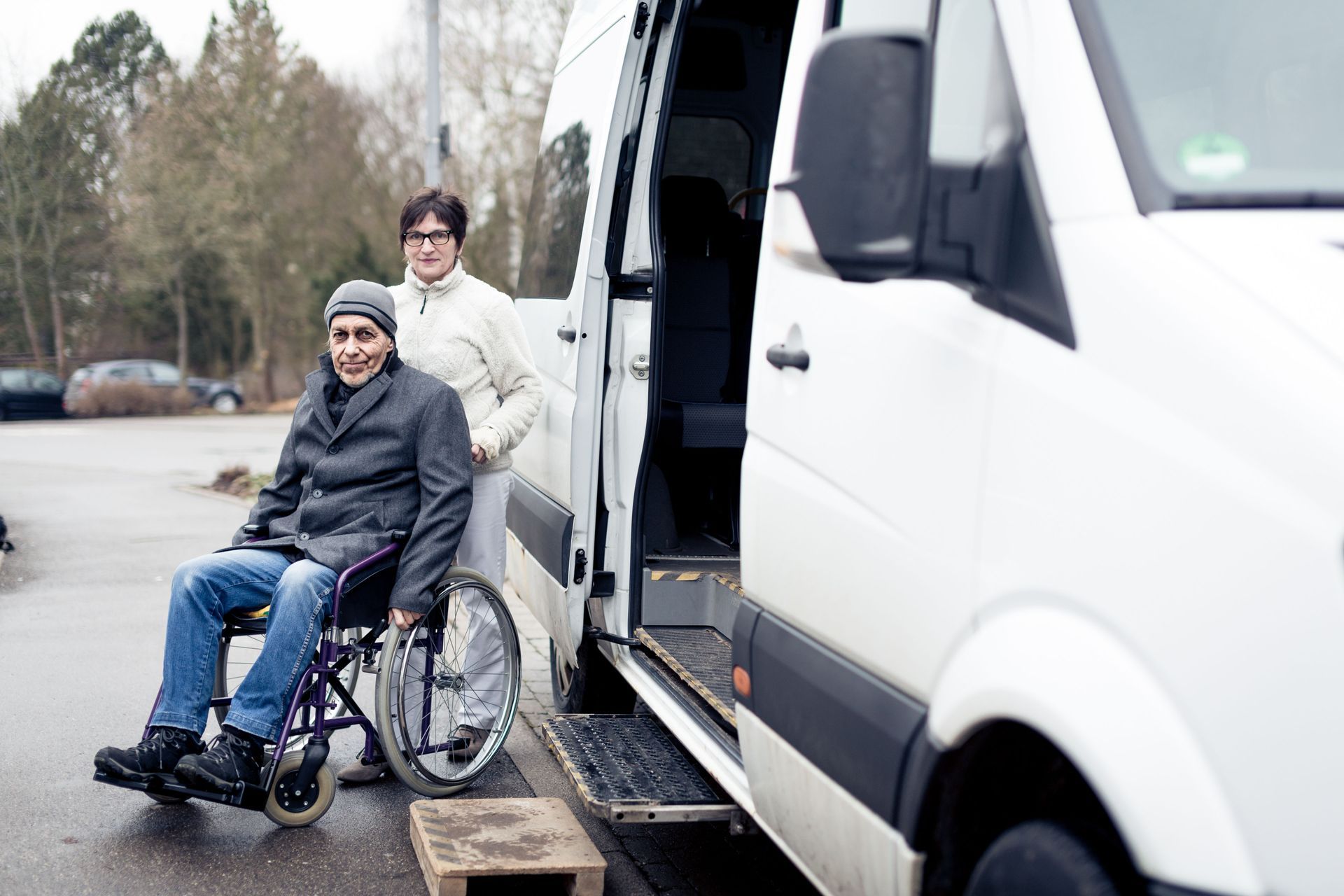
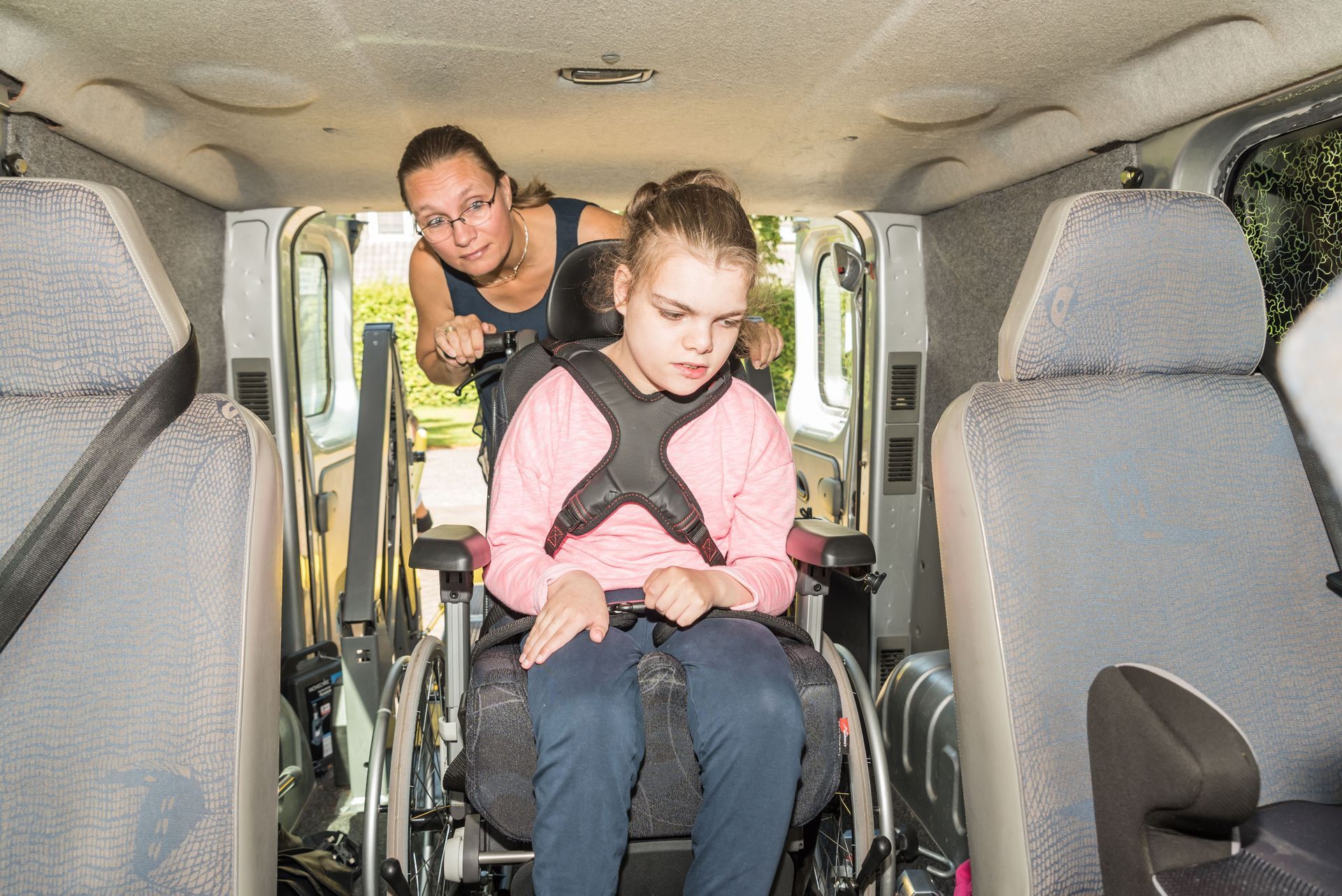
Professional drivers assist passengers with boarding the vehicle carefully and respectfully. They operate wheelchair lifts or ramps with practiced expertise and extreme caution. Securing the passenger safely takes priority before the engine even starts. Seat belts and mobility restraints are mandatory for every commute.
After boarding, riders will notice the climate control set to a comfortable temperature. Drivers usually ask if the ambient temperature feels okay for the passenger. Adjustments are easily made to ensure maximum comfort throughout the commute. The goal is to make the journey as relaxing as possible.
During the commute, passengers can choose to chat with the driver or rest quietly. The chauffeurs remain incredibly professional and respect the privacy of their riders. Some people enjoy listening to soft music while looking out the window. The non emergency transportation service trains drivers to read passenger cues perfectly.
Drivers maintain a smooth driving style to prevent sudden jolts or stops. This gentle approach is crucial for patients recovering from surgery or experiencing pain. Navigating turns slowly demonstrates the driver's commitment to passenger well-being. The entire transit experience feels remarkably different from a standard taxi ride.
Arrive at the Destination
Reaching the medical facility marks the successful completion of the outbound journey. The driver will find a safe and designated area to park the vehicle. Parking near the main entrance minimizes the distance the patient must travel. Convenience at the drop-off location is a major benefit of this transit option.
Disembarking happens with the same level of care as the boarding process. The driver will exit the vehicle to assist the passenger out of the cabin. Operating the lift mechanism safely remains the driver's exclusive responsibility. Passengers never have to worry about managing heavy doors or steep steps alone.
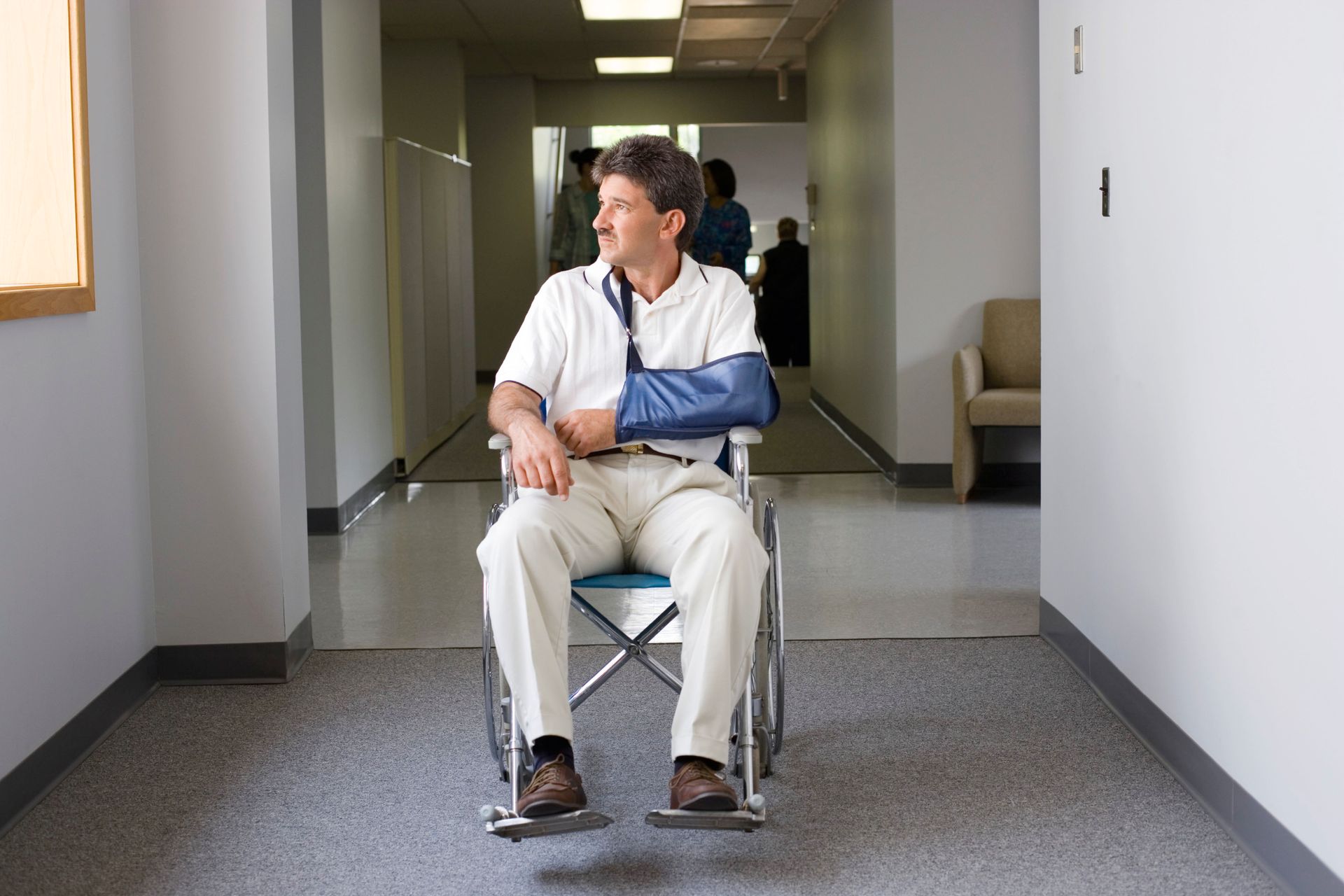
A premium non emergency transportation service will often escort the patient inside the building. This door-to-door assistance ensures the rider safely reaches the reception desk. Patients experiencing mobility issues find this extra level of support incredibly valuable. Knowing a staff member is there to help navigate the lobby brings immense relief.
Before leaving, the driver will confirm the plan for the return trip home. Sometimes the return time is scheduled, while other times it remains flexible. Patients usually call the dispatcher when their medical appointment finally concludes. The driver will provide a business card or contact number for easy communication.
The return journey follows the same procedures to guarantee consistent safety. The non emergency transportation service will dispatch another vehicle when the patient is ready. Waiting for the return ride usually happens inside the comfortable clinic lobby. Eventually, the passenger returns home safely after receiving their necessary medical care.
Trying a new method of transit does not have to be a stressful endeavor. Understanding the entire process helps eliminate the fear of the unknown. Knowing that trained professionals are handling the driving provides significant peace of mind. Patients can simply sit back and let the experts manage the commute.
The focus should always remain on health and recovery instead of transit logistics. By utilizing specialized transit, individuals remove a major barrier to healthcare access. Consistent medical care becomes much easier when reliable transit is consistently available. This accessibility improves overall community wellness in a highly measurable way.
Choosing the right non emergency transportation service guarantees a superior travel experience. Patients deserve to be treated with dignity and respect during every commute. Evaluating providers based on safety records and customer reviews is always recommended. Quality transit companies always prioritize the well-being of their valued passengers.
We at TLC Non-Emergency Medical Transportation stand ready to handle all your specialized transit needs with utmost care. Our dedicated team always prioritizes your safety and comfort during every mile of your journey. Please contact our friendly staff today to schedule your upcoming medical ride.

Share On: